Neuropsychology Services

Advanced neuromodulation technologies, diagnostic tools, and personalized neuropsychological care, all in one place.

Neuromodulation Technologies
Transcranial Magnetic Stimulation

Transcranial Magnetic Stimulation

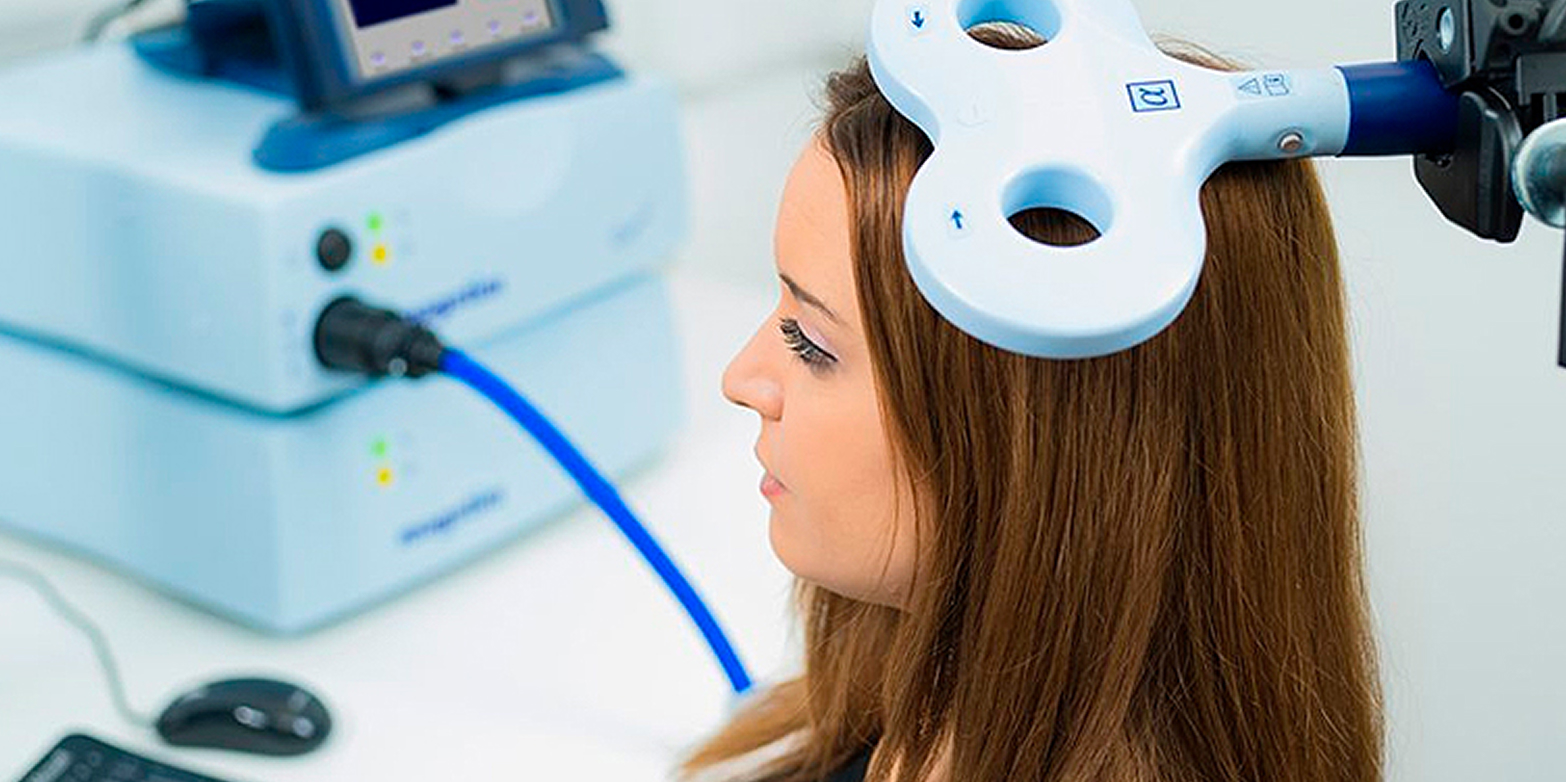
Painless, non-invasive brain stimulation procedure that uses magnetic fields to stimulate brain cells and improve symptoms of depression, anxiety, and related conditions. The procedure is recommended for patients with treatment-resistant conditions.

The protocol involves outpatient sessions lasting 20 to 30 minutes, 5 days a week, for about 6 weeks. No anesthesia is required. A brain mapping session is needed prior to starting protocol, to calibrate the magnetic coil to your head shape and discard epileptiform activity.

Transcranial Direct Current Stimulation

Transcranial Direct Current Stimulation

Non-invasive brain stimulation procedure that uses low-intensity electrical currents (1-4 mA) applied via scalp electrodes to modulate brain activity and induce neuroplasticity. The procedure is recommended for individuals looking for a low-risk option to treat mood, neurological, psychiatric, and motor conditions.

tDCS is recommended as an adjunct therapy to other treatments and the protocol involves sessions lasting 20 to 30 minutes, 5 days a week, for 4 weeks. Patients can rest or perform therapeutic tasks during the sessions.

Electroencephalogram brain mapping

Electroencephalogram brain mapping

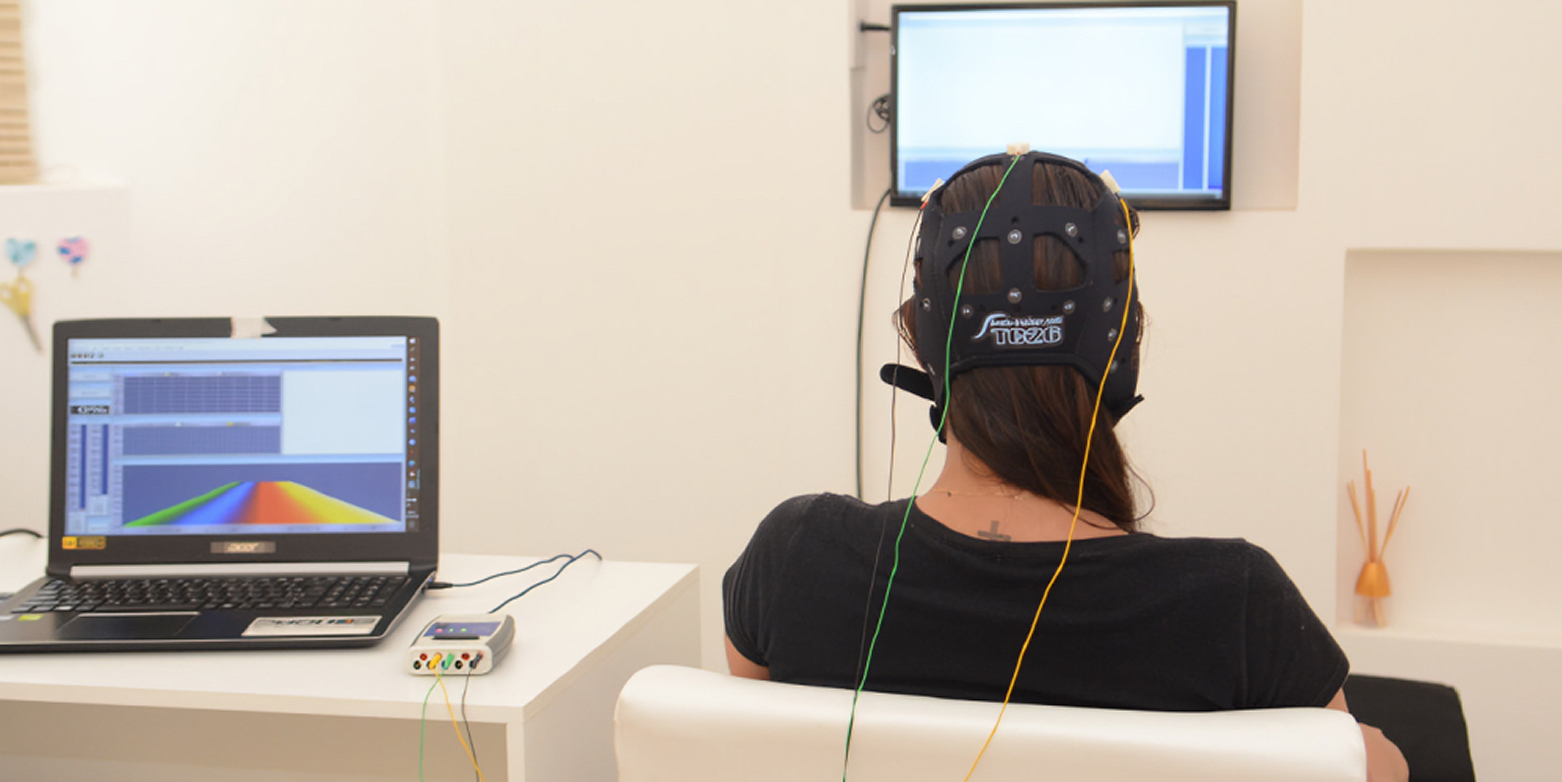
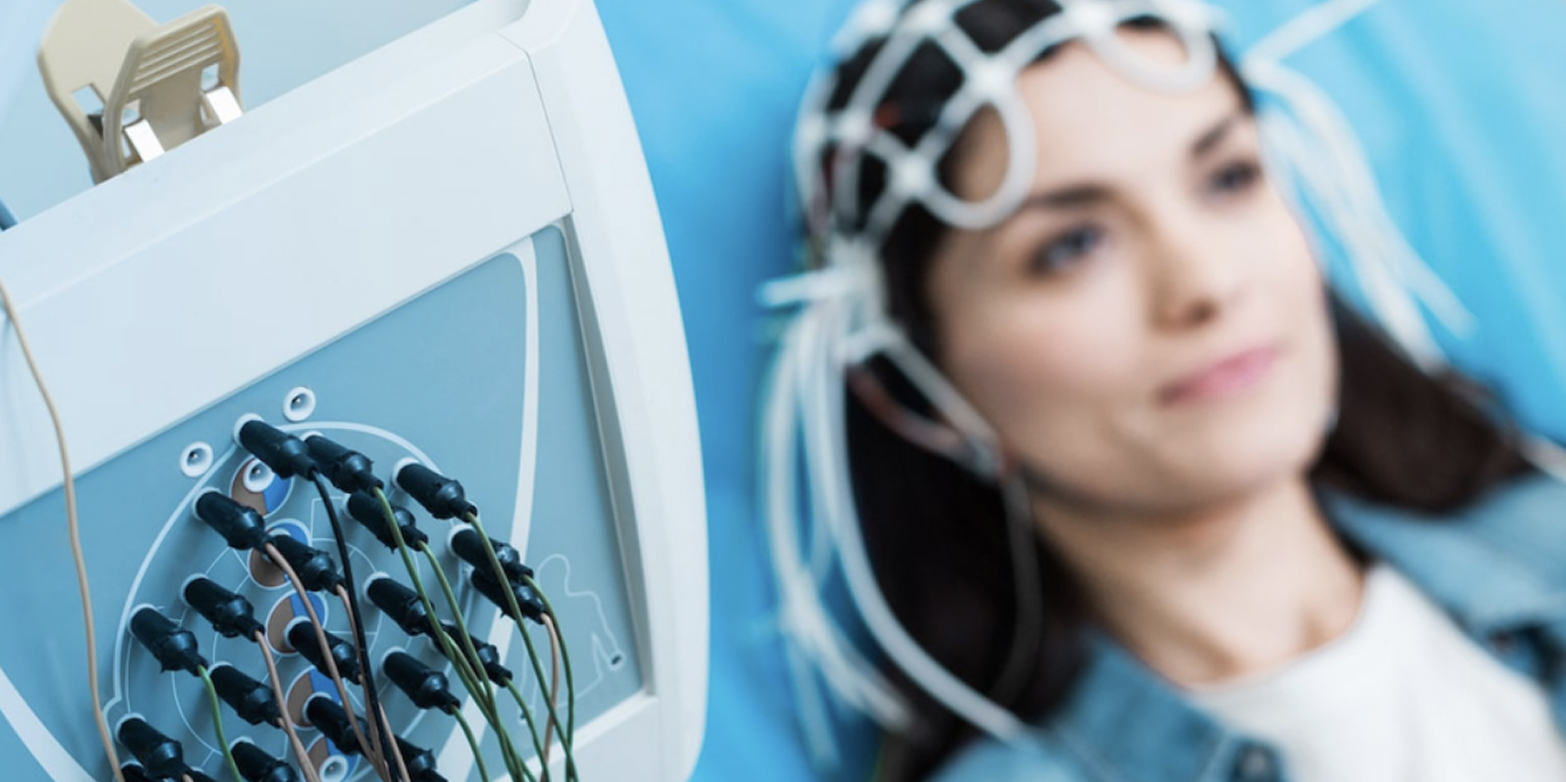
Diagnostic service that measures and analyzes the brain’s electrical activity. A cap with electrodes is placed in the scalp using a conductive gel and brainwave frequencies are recorded while the person is resting or performing simple cognitive tasks.

The purpose is to identify localized areas of neural dysregulation and tailor the stimulation parameters for each individual. With EEG information, clinicians calibrate the speed and timing of the TMS pulses, matching the treatment to the patient’s biological rhythm.

Neuropsychological Evaluation
A series of clinical studies performed to analyze brain function through standardized tests. These tests measure cognitive abilities such as memory, attention, language, executive functions, and perception.

The goal is to identify cognitive strengths and weaknesses, thus, informing diagnoses of neurological, developmental and/or learning disorders.

junta
tablet

Neuropsychological Interventions
Personalized treatment that aims to improve or compensate for affected cognitive functions, such as memory, attention, language, and inhibitory control. It is based on exercises, strategies, and scientific techniques tailored to each person’s needs, with the goal of strengthening their independence and quality of life.

Chat with us | Contact us

Start typing and press Enter to search